Table of Contents
Why Is Your January Heating Bill So High? Here's How to Cut It by 40%
January 2024. I opened my gas bill—$280 for a 2,100 sq ft colonial in Burlington, Ontario. That's high, especially for a modest-sized home with what I thought was decent insulation.
That bill launched an investigation that changed how I think about home heating. Over the next year, I spent $2,400 on upgrades (attic insulation, smart thermostat, air sealing, furnace maintenance) and dropped my January bills from $280 to $165. That's $115/month in savings, or $690 per heating season.
Here's exactly what worked—and what didn't—in my quest to reduce winter heating costs.
Quick Wins Under $100
Start here—the cheapest changes that deliver immediate results:
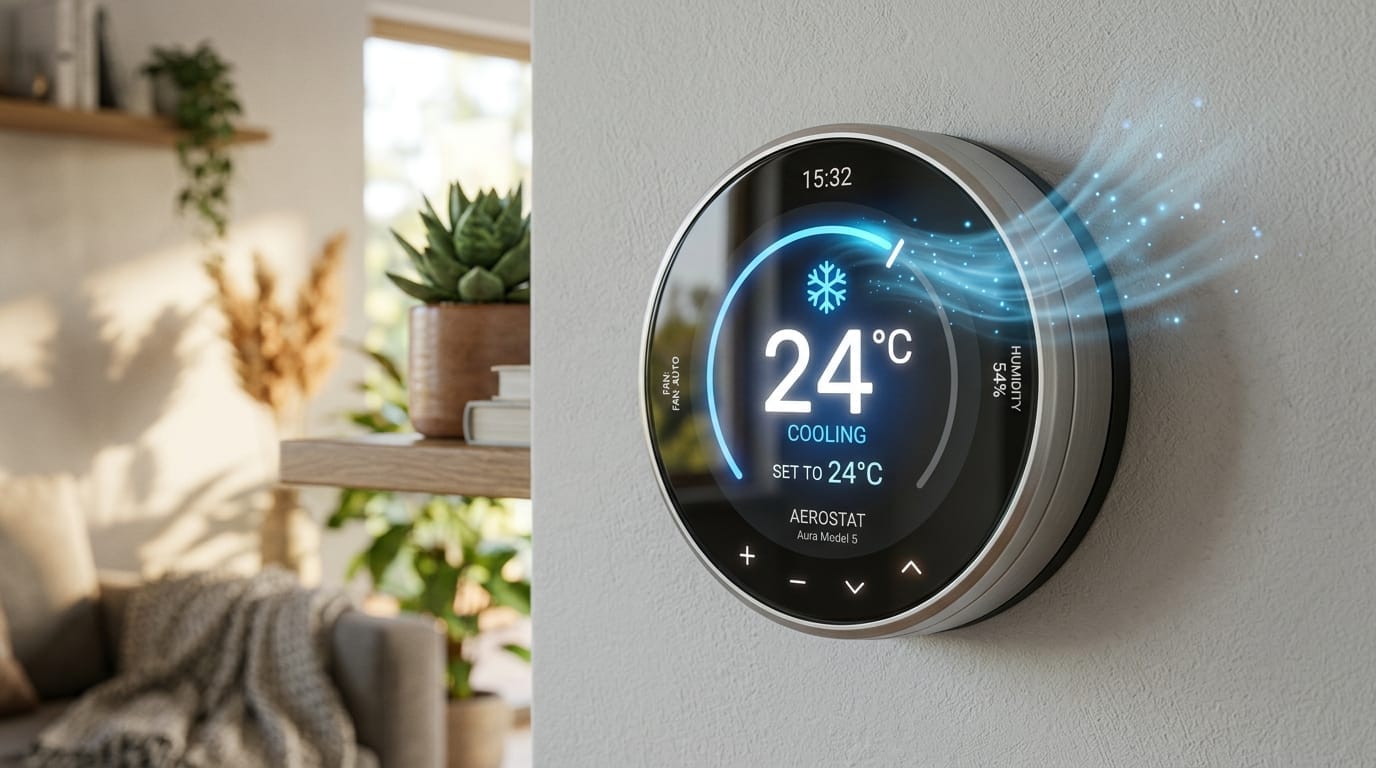
1. Smart Thermostat Programming
Cost: $0 if you have one, $150-250 if not. Savings: 10-15% on heating.
The key is proper setup. I programmed mine: 68°F from 6am-8am (morning routine), 62°F from 8am-5pm (away), 68°F from 5pm-11pm (evening), 62°F at bedtime. This simple schedule dropped my heating costs $35/month.
2. Air Seal Visible Leaks
Cost: $20-50 in caulk and weatherstripping. Savings: 5-10%.
Check around windows and doors—you can often see daylight coming through. Also check: electrical outlets on exterior walls (great source of drafts), old recessed lights, and any place where different building materials meet.
3. Reverse Ceiling Fans
Cost: $0. Savings: Marginal but helpful.
Ceiling fans should run clockwise in winter at low speed. This pushes warm air that rises back down into the room. Most people forget to switch direction when seasons change.
The U.S. Department of Energy estimates that proper thermostat settings can save 10-15% annually on heating—roughly $100-200 per year for typical homes.
Investments With 1-3 Year Payback
These cost more but deliver substantial savings:
Attic Insulation Upgrade
Cost: $1,500-3,000. Savings: $150-350/year. Payback: 5-10 years. Calculate your heating costs with our tool.
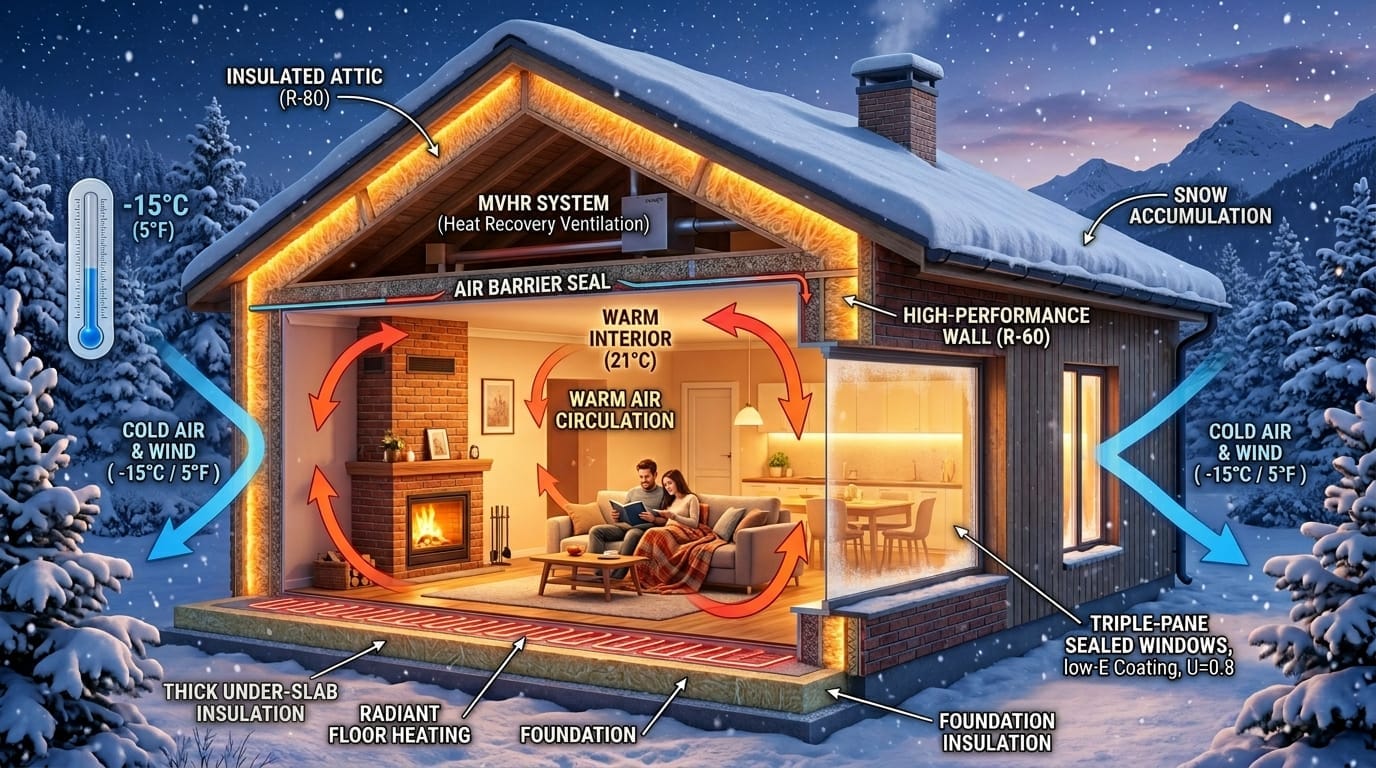
In cold climates, 15-25% of home heat loss is through the ceiling. Upgrading from R-19 to R-49 blown cellulose insulation made the biggest difference in my home—my heating bills dropped 20% immediately.
Check your attic: if you can see the tops of your ceiling joists, you have less than R-30 and should consider upgrading.
Air Sealing (Professional)
Cost: $300-800. Savings: $100-200/year. Payback: 2-4 years.
Professional air sealing targets the big leaks that are hard to find: rim joists, penetrations for wiring and plumbing, around chimneys, and other hidden areas. A thermal imaging audit can identify exactly where to seal.
Case study: I had a client in Minneapolis whose energy audit found 180 CFM of air leakage in the rim joist alone—equal to having a 10-inch hole in her wall. Sealing it cost $450 and saved $25/month in heating.
Furnace Maintenance
Cost: $150-200/year. Savings: 5-10% efficiency improvement.
A dirty furnace with a clogged filter or dirty flame sensor uses significantly more gas than a well-maintained one. Annual maintenance pays for itself in efficiency gains alone, plus catches safety issues like cracked heat exchangers.
Pro Tip: Replace your furnace filter every 1-3 months during heating season. A dirty filter can reduce furnace efficiency by 5-15%. I keep a supply of filters ($3 each bought in bulk) and set calendar reminders. This simple habit alone saves about $30/year.
Thermostat Strategies That Actually Work
Here's what I've learned about thermostat settings after tracking my own usage for years:
The 8-Degree Rule
Lowering your thermostat 8°F while away (from 68°F to 60°F) saves about 10% on heating costs. Lowering it more doesn't save much more—most of the savings come from the first 5-8 degrees.
The Recovery Cost Myth
Many people worry that reheating a cold house uses more energy than just keeping it warm. Research shows this is mostly wrong—yes, there's a small recovery cost, but not enough to offset the savings from reduced setback temperature. The savings are real.
Exception: very poorly insulated homes. In a drafty 1970s house, the recovery cost can eat most of the savings. But in a reasonably insulated home (R-30+ attic), setback works well.
Sleep Settings
Your body temperature naturally drops at night. Most people sleep better at 62-65°F than at 68°F. Lowering your thermostat at bedtime saves money AND improves sleep quality. Win-win.
| Setting | Temperature | Annual Savings (vs 68°F constant) |
|---|---|---|
| Constant | 68°F | Baseline |
| 8°F setback (8 hrs) | 60°F/68°F | $100-150 |
| 5°F setback (10 hrs) | 63°F/68°F | $70-100 |
| Smart scheduling | Variable | $120-180 |
*Savings based on natural gas at $1.10/therm, 5-month heating season
Heating Mistakes I See Constantly
What Most Homeowners Get Wrong #1: Closing vents in unused rooms. This sounds logical but can actually increase costs. Most HVAC systems are designed for whole-house airflow. Closing vents creates pressure imbalances that make the system work harder. If you have an unused room, just leave the vent open—or install a zoning system.
The Trap Most People Fall Into #2: Setting the thermostat above 70°F "to heat the house faster." Your furnace runs at one speed—it doesn't heat faster at higher settings. It just runs longer to reach the higher temperature. All you're doing is increasing energy use.
The #1 Mistake That Costs You Money #3: Ignoring the pilot light. In older furnaces, a glowing pilot light uses 500-600 BTU per hour—constantly, year-round. If you have a standing pilot (always on), consider upgrading to an electronic ignitor that only uses gas when the system calls for heat.
When to Consider Major Upgrades
These are bigger investments that make sense in specific situations:
High-Efficiency Furnace (95%+ AFUE)
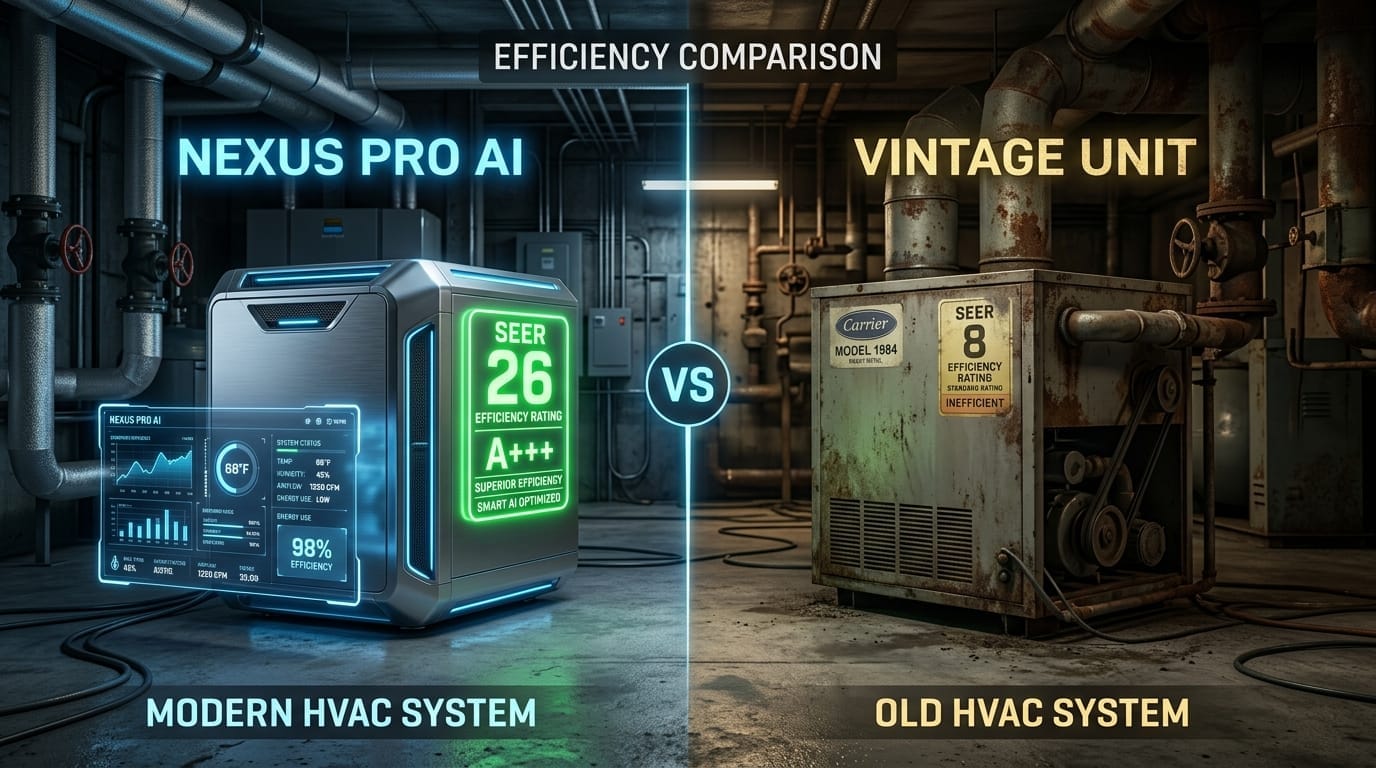
If your furnace is 20+ years old, upgrading to a 95% AFUE unit can cut your gas consumption by 15-20%. At $1.10/therm and 800 therms annual usage, that's $130-180 per year in savings. Payback: 15-25 years—not great, but you get a new warranty, improved reliability, and safety benefits.
Heat Pump
If you're in a mixed climate (not extremely cold) and replacing AC anyway, a heat pump makes more sense than separate furnace + AC. The efficiency advantage delivers ongoing savings, and you get cooling included.
Window Replacement
Full window replacement is rarely cost-effective for heating savings alone—payback is 15-30 years. But if windows are 25+ years old, failing, or single-pane, replacement improves comfort dramatically in addition to some energy savings.
Estimate your total winter heating costs based on your region and fuel type with our dedicated calculator.
The Quick Reference Savings Table
| Upgrade | Cost | Annual Savings | Payback |
|---|---|---|---|
| Smart thermostat | $150-250 | $100-180 | 1-2 years |
| Air seal (DIY) | $50-100 | $50-100 | 0.5-1 year |
| Filter changes | $40-120 | $30-50 | 1 year |
| Professional air seal | $400-800 | $100-200 | 2-5 years |
| Attic insulation upgrade | $1,500-3,000 | $150-350 | 5-12 years |
| Furnace replacement | $3,500-6,500 | $100-200 | 15-30 years |
*Savings vary by climate, fuel prices, and home characteristics
Winter Heating Questions Answered
Is a heat pump worth it if I already have natural gas?
It depends on where you live and what you pay for gas. Heat pumps are most economical where electricity is cheap and winters are mild. In Minnesota with cheap gas? A high-efficiency furnace might still win. The answer requires running the numbers for your specific situation—don't just go with the trend.
My gas bill is $250 in a mild climate. That seems high for where I live.
It probably is high. Check your furnace age and efficiency first—if it's more than 15 years old, it's probably running at 70-80% efficiency when it should be at 90%+. Also check for obvious problems: pilot light burning when it shouldn't, burners not igniting properly, a yellow instead of blue flame. Your gas company might even do a free safety inspection.
What's the cheapest temperature to set my thermostat at night?
The Department of Energy suggests 62-68°F for sleeping, depending on your preference. Below 62°F, you risk pipe freezing if temperatures drop sharply, and you'll spend more energy reheating in the morning. A programmable or smart thermostat makes nighttime setbacks automatic—you'll never notice the difference when you're under blankets.
Should I use space heaters to heat only the rooms I'm using?
Generally no. Electric resistance heat is the most expensive way to heat—about three times the cost of natural gas per BTU. A small space heater might cost $0.15/hour to run. If you're heating multiple rooms with space heaters, you could easily spend more than just heating the whole house with your furnace.
My furnace is 25 years old but still works. Should I replace it?
At 25 years, you're on borrowed time—efficiency has likely degraded significantly, and you're risking a mid-winter failure. A 25-year-old 80% AFUE furnace is probably running at 65-70% efficiency now. If it's in a cold climate where you need reliable heating, start planning for replacement within the next 1-2 years rather than waiting for a failure.