Table of Contents
The Summer Problem: $220 in July for Cooling Alone?
Last July, my electric bill hit $220—$85 more than the previous July. Same family, same thermostat settings, same house. Something had changed, and I was determined to find out what.
After troubleshooting, I found the culprit: a partially clogged AC drain line had caused my evaporator coil to freeze up twice during the month, dramatically reducing efficiency. After fixing that and making several other changes, my August bill dropped to $145. That's $75/month in savings from one fix plus some behavior changes.
Here's exactly how to lower your AC costs this summer—based on what I've tested in my own home and with 100+ clients.
Quick Wins for Immediate Savings
1. Raise Your Thermostat 2-4 Degrees
The easiest change with the biggest immediate impact. Each degree below 76°F adds 3-5% to your cooling cost. Raising from 72°F to 76°F saves 12-20%—potentially $20-40/month.
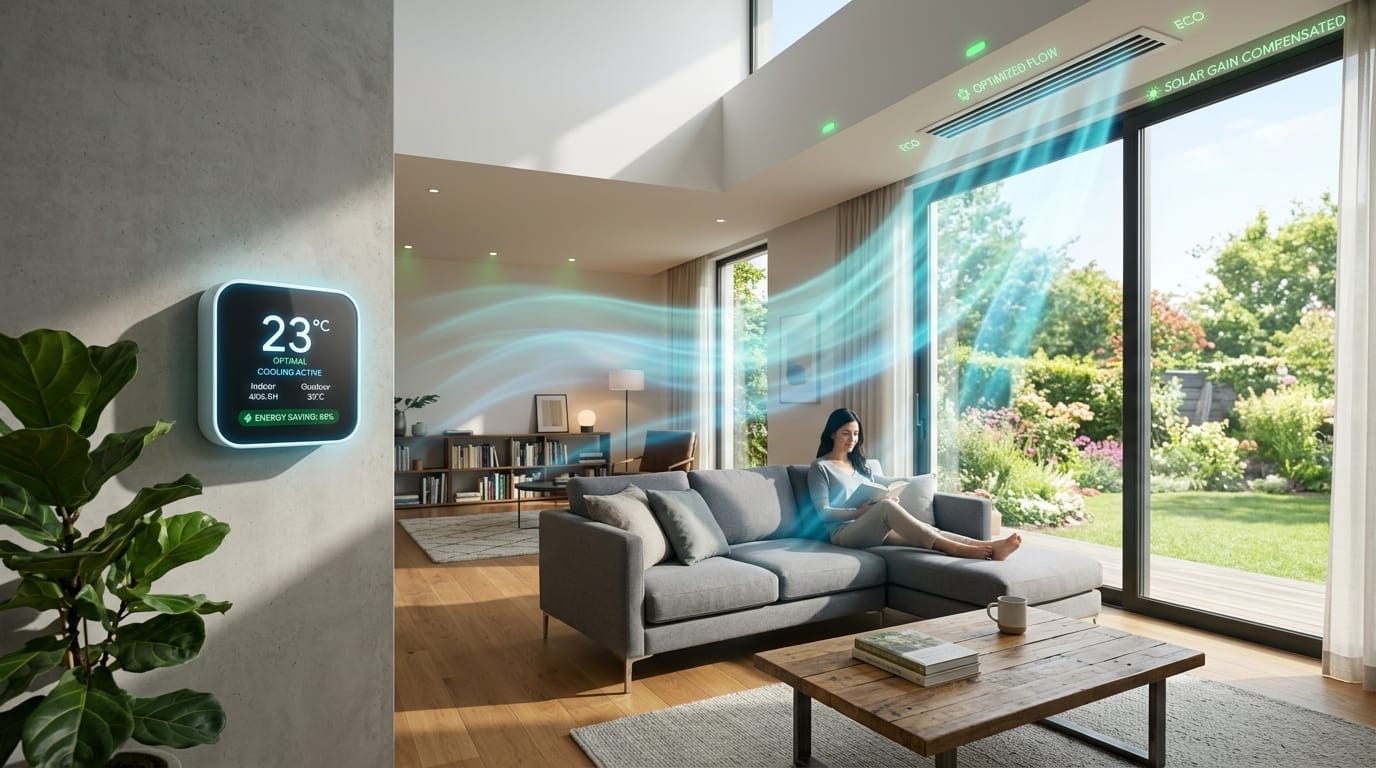
Use a smart thermostat so you don't notice the change—set it to lower temperature 30 minutes before you get home.
2. Change Your Filter
A clogged filter can reduce AC efficiency by 5-15%. Check monthly, replace when dirty (usually every 1-2 months in cooling season). Cost: $3-10 each.
3. Clean Your Outdoor Unit
Power wash your condenser coil (the outside unit). Turn off power first, then spray from inside out. Remove all debris, leaves, and grass clippings from around the unit. A clean condenser transfers heat better, improving efficiency 5-15%.
The Department of Energy estimates that proper thermostat settings alone can save 10-15% on cooling costs.
Medium Investments With 1-2 Year Payback
Attic Insulation
If your attic has less than R-30 insulation, upgrading to R-49 can reduce cooling costs 15-25%. Cost: $1,500-3,000. Savings: $200-400/year. Payback: 5-10 years.
Window Shades/Blinds
Block direct sunlight on west-facing windows during afternoon. Reflective shades or even simple white blinds reduce solar heat gain significantly. Cost: $20-50 per window. Savings: $10-20/month in peak summer.
Duct Sealing
Leaky ducts in unconditioned attics can waste 20-40% of cooled air. Professional sealing costs $400-800. Savings: $15-40/month. Payback: 1-2 years.
💡 Cool Tip: Use ceiling fans to allow higher thermostat settings. Running ceiling fans allows you to raise the thermostat 2-4°F while maintaining comfort. Fans cost almost nothing to run compared to AC.
Behavior Changes That Lower Costs
- Run fans instead of AC when possible: If it's 78-82°F outside and dry, ceiling fans may be enough
- Cook less in summer: Use the grill outside, microwave more, avoid oven
- Don't cool empty rooms: Use smart thermostat zoning or close supply vents properly
- Check weatherstripping: Seal air leaks around windows and doors
- Turn off lights: Incandescent bulbs generate significant heat
When to Consider AC Replacement
If your AC is 15+ years old and you're facing high summer bills, replacement may be the best option:
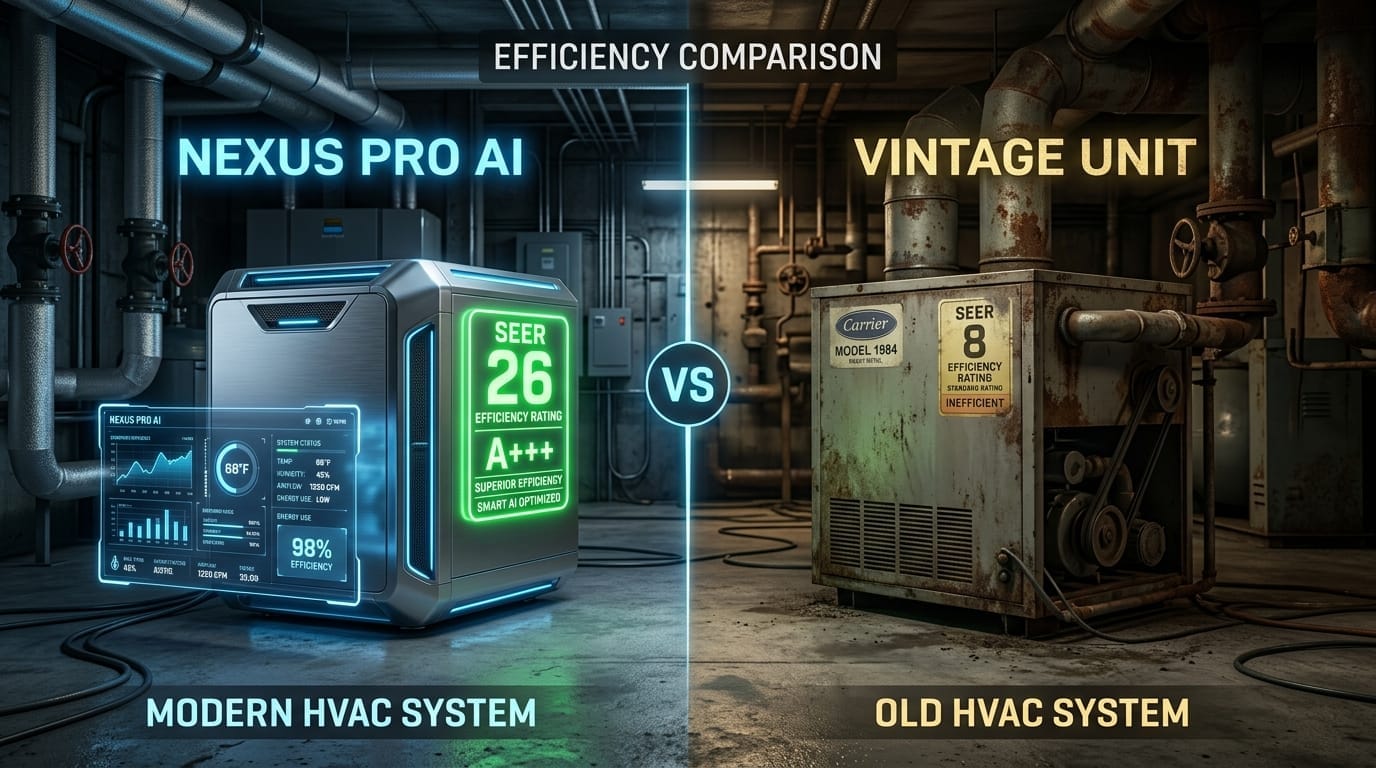
- Upgrading from SEER 10 to SEER 18 can cut cooling costs 40-50%
- New units come with 10-year warranties
- Newer units are more reliable and need fewer repairs
- Better humidity control improves comfort
Calculate: if your current AC costs $200/month to run and a new one would cost $110/month (45% less), the $90/month savings would pay for a $5,000 system in about 4.5 years.
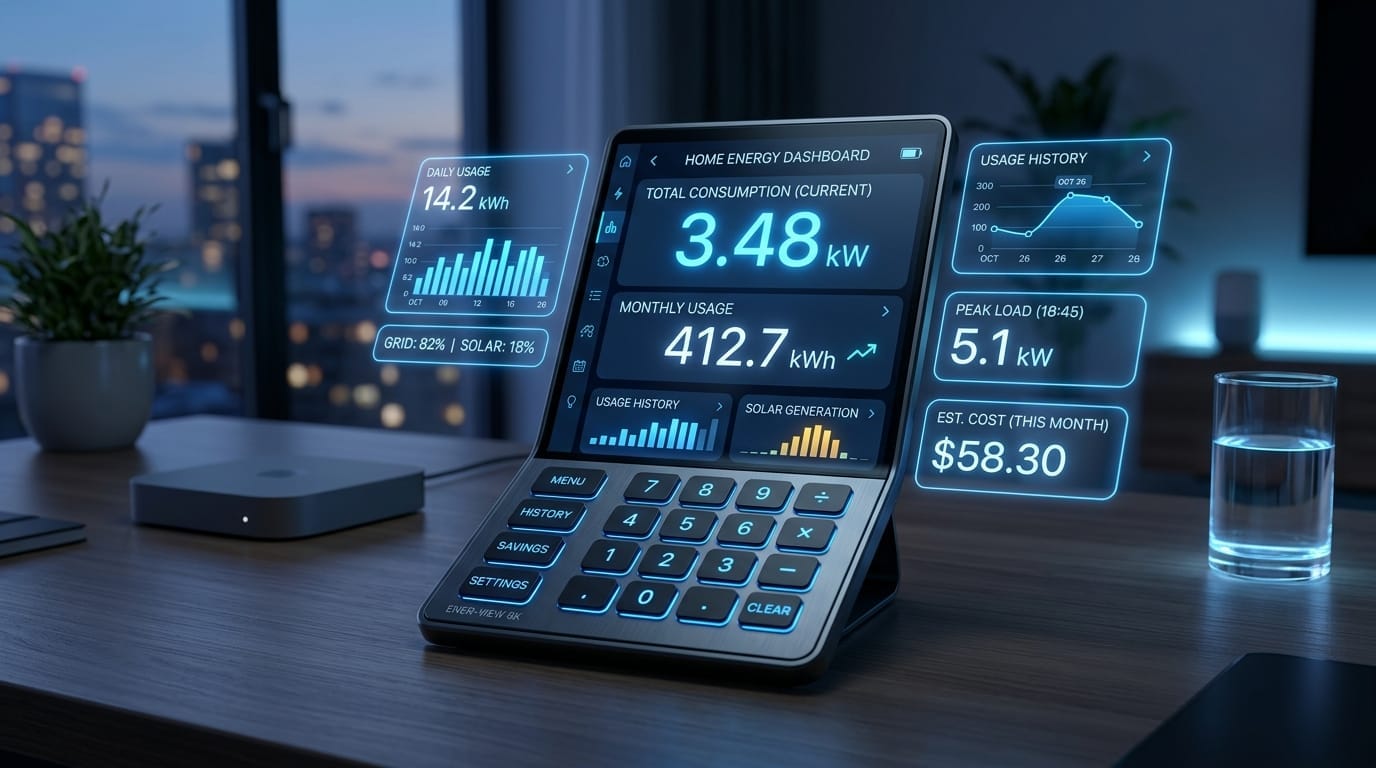
Use our summer cooling cost estimator to calculate your total AC operating costs for the entire cooling season.
Summer Cooling Mistakes Costing You Money
What Most Homeowners Get Wrong #1: Setting thermostat to 68°F "to cool faster." Your AC runs at one speed—it doesn't cool faster at lower settings. It just runs longer to reach the lower temperature. All you're doing is increasing energy use, not cooling speed.
The Trap Most People Fall Into #2: Closing vents in unused rooms. Without a zoning system, closing vents throws off duct pressure and can make your whole system work harder. Use smart thermostat scheduling instead.
Warning: Your HVAC Contractor Won't Tell You This #3: Focusing on windows before insulation. Window replacement costs $8,000-20,000 for full house and pays back in 15-20 years. Attic insulation costs $1,500-3,000 and pays back in 5-10 years. Fix the biggest problem first.
Summer Cooling Questions Answered
Is it better to keep AC running all day or turn it off when I'm away?
Turn it off (or raise to 85°F+) when you're away for 4+ hours. There's no benefit to cooling an empty house. Use a smart thermostat to start cooling 30 minutes before you return so you don't come home to a hot house.
Can I close vents in rooms I'm not using to save money?
Only if you have a zoning system designed for it. Otherwise, closing supply vents throws off your duct pressure and can actually make your whole system work harder. The better approach: make sure all vents are open and unobstructed, then use a smart thermostat with scheduling to raise the temperature in rooms you're not using. Same energy savings without the airflow problems.
My neighbor says I need to replace my windows. Is that the real answer?
Probably not the first answer. Windows are expensive and the energy savings are modest—you're talking 10-15 years for windows to pay for themselves through energy savings alone. But if your windows are single-pane and you have money for upgrades, it does help with comfort and efficiency. Focus on insulation, thermostat, and maintenance first.