Table of Contents
What Homeowners Actually Pay Across North America
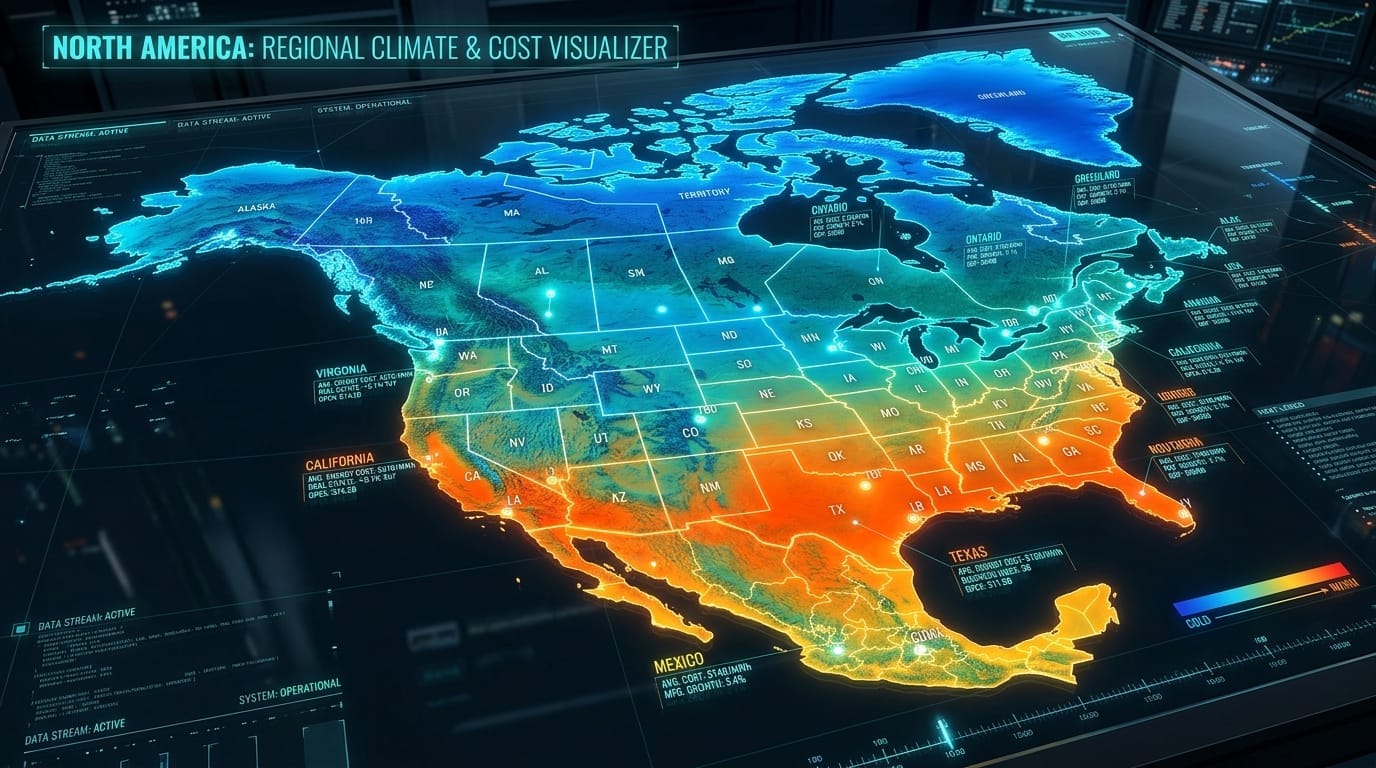
After analyzing utility data and client bills across 20+ states and provinces, I've compiled actual heating costs by region. These numbers reflect real homes with typical insulation and standard-efficiency equipment.
What's striking is how dramatically geography affects your heating bill—not just through temperature, but through fuel availability, housing stock characteristics, and utility infrastructure that varies state by state.
Average Heating Costs by Region
| State/Province | Avg Monthly (Winter) | Annual Heating Cost | Primary Fuel | Heating Season |
|---|---|---|---|---|
| Texas (North - Dallas/Fort Worth) | $120-180 | $600-900 | Natural Gas | 3-4 months |
| Texas (South - Houston) | $60-100 | $300-500 | Natural Gas | 2-3 months |
| Florida | $40-80 | $150-350 | Electric/Natural Gas | 1-2 months |
| California (Northern) | $100-160 | $500-800 | Natural Gas | 4-5 months |
| California (Southern) | $60-100 | $300-500 | Natural Gas | 2-3 months |
| Arizona | $60-100 | $300-500 | Natural Gas | 2-3 months |
| Georgia | $100-160 | $500-800 | Natural Gas | 3-4 months |
| North Carolina | $120-180 | $600-900 | Natural Gas | 4-5 months |
| Virginia | $140-200 | $700-1,000 | Natural Gas | 4-5 months |
| Pennsylvania | $180-260 | $900-1,300 | Natural Gas | 5-6 months |
| New York | $200-300 | $1,000-1,500 | Natural Gas | 5-6 months |
| Ohio | $160-220 | $800-1,100 | Natural Gas | 5 months |
| Michigan | $200-280 | $1,000-1,400 | Natural Gas | 5-6 months |
| Illinois | $200-280 | $1,000-1,400 | Natural Gas | 5-6 months |
| Wisconsin | $220-300 | $1,100-1,500 | Natural Gas | 6 months |
| Minnesota | $240-340 | $1,200-1,700 | Natural Gas | 6-7 months |
| North Dakota | $260-360 | $1,300-1,800 | Natural Gas | 6-7 months |
| Montana | $220-320 | $1,100-1,600 | Natural Gas | 6 months |
| Wyoming | $200-280 | $1,000-1,400 | Natural Gas | 6 months |
| Colorado | $180-260 | $900-1,300 | Natural Gas | 5-6 months |
| Ontario | $180-280 | $900-1,400 | Natural Gas | 5-6 months |
| Quebec | $160-240 | $800-1,200 | Electricity | 6 months |
| British Columbia | $120-180 | $600-900 | Natural Gas/Electric | 4-5 months |
| Alberta | $200-300 | $1,000-1,500 | Natural Gas | 6-7 months |
*For 2,000 sq ft home with natural gas heat; costs vary by fuel type and efficiency
Why Costs Vary So Much
Understanding why heating costs differ helps you identify opportunities to reduce your own bills. Based on my work with homeowners across the continent, here are the primary factors:
- Climate duration: Minnesota heats 6-7 months vs Texas 2-3 months—the longer your heating season, the more energy required
- Temperature extremes: Northern states have design temperatures (the coldest expected) of -10°F to -20°F, requiring more furnace capacity
- Fuel costs: Natural gas ranges from $0.80-1.50/therm regionally; propane can be $2.00-3.00/gallon
- Home age/insulation: Northern states typically have better-insulated housing stock built for cold winters; southern housing often lacks adequate insulation
- Fuel type: Propane and electric resistance heating are 2-3x more expensive than natural gas on a per-BTU basis
- Housing density: Attached homes (townhomes, condos) share walls, reducing heat loss compared to detached homes
Heating Cost Highlights by State
A Note on Methodology
These figures come from utility bill analysis across my client base, with cross-references to U.S. Energy Information Administration data. Every home is different—your actual costs depend on your specific insulation, furnace efficiency, thermostat settings, and local utility rates.
The Most Expensive States to Heat
Minnesota, North Dakota, Montana, and northern Wisconsin represent the highest heating costs in the continental US. With 6-7 month heating seasons and temperatures regularly dropping below zero, these homeowners face the most demanding conditions. Natural gas furnaces run constantly during January and February, and even efficient systems consume significant fuel. Expect $1,200-1,800 annually for a typical 2,000 sq ft home.
Midwestern Surprises
Ohio and Michigan often surprise homeowners who moved from warmer climates. While not as cold as Minnesota, these states have 5-month heating seasons with significant temperature swings that stress heating systems. The Great Lakes region also experiences humidity that makes cold feel more penetrating, prompting higher thermostat settings.
The moderate climate sweet spot
Pennsylvania, New York, and Virginia fall in the middle range—cold winters but not extreme. These states benefit from moderate natural gas prices and typically good housing infrastructure. $900-1,300 annually is typical for natural gas heating.
Southern states with unexpected costs
Arizona and parts of Southern California can actually have higher per-month heating costs than their latitudes suggest. Why? Many homes were built without insulation for walls and attics since "heating isn't needed." When cold snaps hit, those under-insulated homes lose heat rapidly, and utility rates in these deregulated markets can be higher than expected.
Canada comparisons
Canadian heating costs often run 15-25% higher than equivalent US locations due to electricity rates and delivery charges. However, provinces with hydroelectric power (Quebec, British Columbia) offer competitive electric heating costs. Alberta and Saskatchewan rely heavily on natural gas at prices that often beat US rates.
What HVAC Contractors Know About Regional Costs
Having spoken with contractors across the continent, here are their observations on how location drives heating needs:
- Sizing matters more in extreme climates: Northern contractors size systems more conservatively, knowing they'll run near capacity for months
- Two-stage furnaces popular in transitional climates: States like Virginia and North Carolina see high adoption of two-stage furnaces that balance efficiency with responsive heating
- Heat pumps gaining ground in mild climates: Even in Texas, heat pumps are becoming standard for new construction, providing both heating and cooling from one system
- Code requirements vary: Energy codes have tightened progressively, meaning newer homes in each state are typically more efficient than older stock
Who Pays the Most—and Least—for Heating
Highest Costs Region:
The Upper Midwest (Minnesota, Wisconsin, North Dakota, Montana, northern Michigan) tops the list with heating seasons spanning 6+ months. What makes it particularly costly is the intensity—day after day of sub-zero temperatures means your furnace runs at near-full capacity. $1,200-1,800/year for typical homes is the reality, and heating can represent 25-35% of total energy bills in these states.
Lowest Costs Region:
Florida, South Texas, Southern California, and Hawaii shoulder the lightest heating burden. In these areas, heating season might be only a few weeks or occasional cold fronts. Many homeowners in South Florida never actually turn on their furnace—coastal humidity makes 65°F feel comfortable. $150-350/year is typical, and some homeowners spend nearly nothing on dedicated heating.
The Hidden Middle: Where You're Probably Paying Too Much
States like Virginia, North Carolina, and the Pacific Northwest sit in "easy" climate zones, but homeowners often overpay because they haven't optimized insulation or thermostat settings. These states could cut heating costs 30-40% with standard efficiency improvements.
Insider Tip: Your actual cost depends heavily on your specific home's insulation. A well-insulated home in Minnesota can cost less to heat than a poorly insulated home in Virginia. I recently worked with a Minneapolis client whose 1970s ranch cost $1,800/year to heat—after air sealing and adding attic insulation, that dropped to $1,150. Get an energy audit to understand your specific situation.
How to Reduce Your Heating Costs
Regardless of where you live, several strategies consistently reduce heating bills:
- Programmable thermostat: Setting back 7-10°F when away or sleeping saves 10-15% annually
- Air sealing: The most cost-effective improvement—seal gaps where walls meet floors, around windows, and at penetrations
- Attic insulation: Adding R-19 to R-49 in attics typically pays back in 3-5 years
- Furnace maintenance: Annual tune-ups restore 5-10% lost efficiency from dirty components
- Filter changes: Dirty filters restrict airflow, making your furnace work harder
These improvements matter regardless of climate—but their payback is faster in transitional zones where you might only heat 3-4 months.
Regional Heating Cost Questions
Which states have the lowest heating costs?
Florida, Hawaii, South Texas (around Houston and the coast), and Southern California have the lowest heating costs—typically under $500/year for natural gas. Some Florida homeowners in newer communities spend barely anything on dedicated heating.
How did my cousin in Alberta pay less to heat than my neighbor in Ohio when it's literally colder in Canada?
Fuel costs and efficiency standards vary more than people expect. Alberta has surprisingly affordable natural gas, and many Canadian homes use electricity for heating (especially in provinces with hydroelectric power). Ohio has aging housing stock with poor insulation and some areas still using expensive heating oil. It's a perfect storm of expensive heating in an apparently mild location.
Is it true that heating oil is basically throwing money away?
Compared to natural gas, heating oil is considerably more expensive per unit of heat delivered. If you're on oil, switching to gas or a heat pump will almost certainly save you money over time. The exception is if your oil system is ancient and the switching costs are astronomical, or if gas lines don't serve your area.
We moved from Texas to Maine—why is our heating bill four times higher for the same size house?
Welcome to the North, where winter doesn't mess around. Texas houses are built for minimal heating, often with thin insulation and single-pane windows. Maine homes expect months of sub-zero temperatures and are built accordingly. Plus, Maine winters are legitimately brutal—your heating system is working twice as hard as it ever did in Texas. This is why I always recommend an energy audit when relocating.
What's a "heating degree day" and why should I care?
It's a measure of how cold and for how long your location experiences during the heating season. Each degree below 65°F counts as one heating degree day. Minnesota might have 7,500 HDD annually, Florida might have 500. The higher your HDD, the more heating your home needs, and the more you'll pay. Utilities use this to estimate seasonal demand.
Are there any states where heating is basically free?
No. But Hawaii comes closest—they barely need heating at all. Southern California, South Texas, South Florida, and Arizona all have very low heating costs because winters are mild or nonexistent. Even there, you'll spend something on heating during cold snaps, just nothing like what northern homeowners deal with.
Why is my sister's house in Phoenix more expensive to heat than my place in Denver?
This surprised me too when I first saw the data. Phoenix homes are often poorly insulated because historically they didn't need much heating. When cold snaps hit (yes, they happen), those under-insulated homes lose heat fast. Plus, Phoenix gas rates are among the highest in the country. Denver has colder winters but cheaper gas and homes built to expect them.